

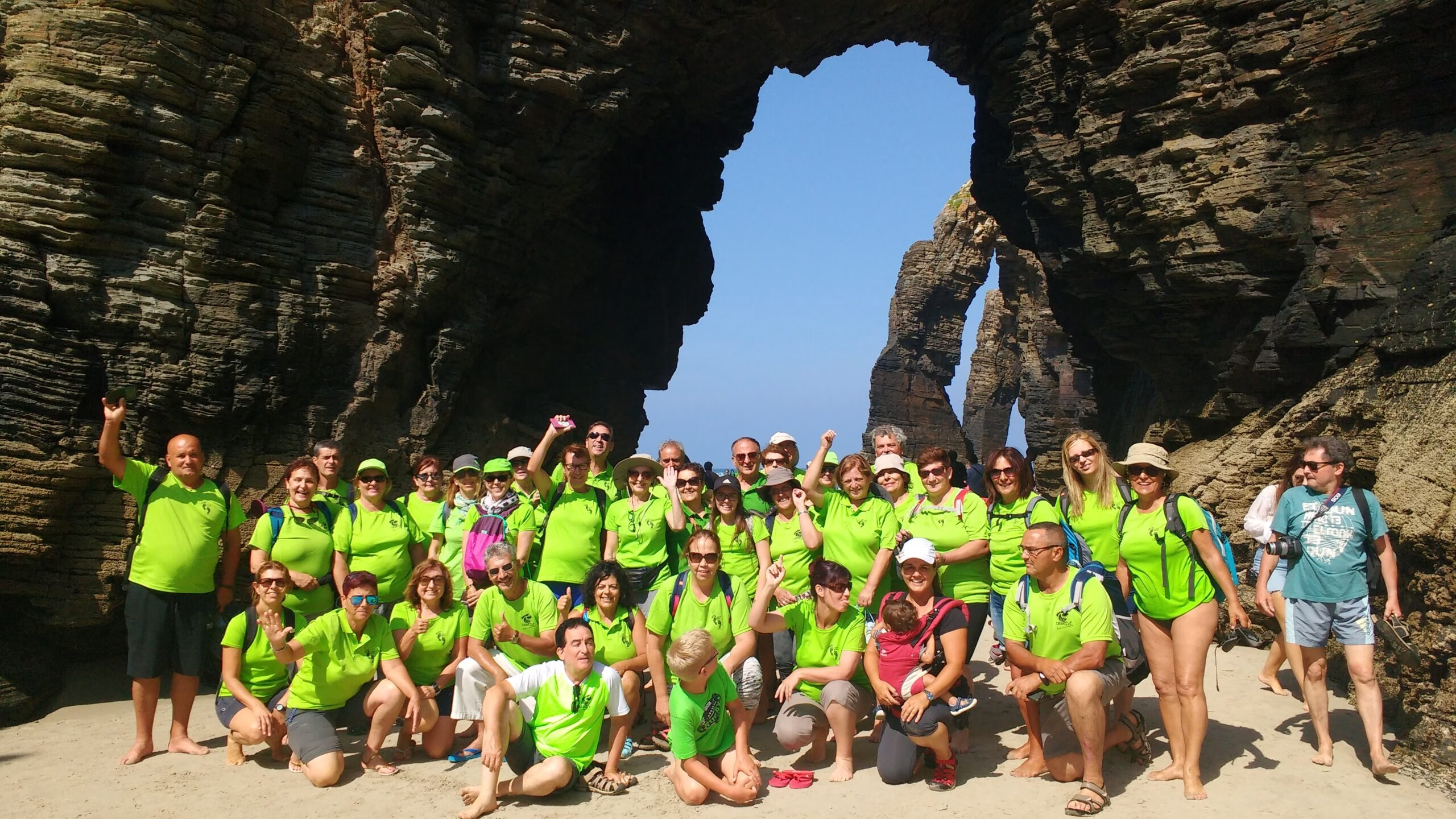
Not so many decades ago, what was once Augas Santas Beach and is now the famous As Catedrais Beach was an unknown stretch of the Ribadeo coast, completely covered by tides and dangerous for swimming. No one would have imagined that this unique corner, with cliffs emerging like Gothic pillars, would attract thousands of daily visitors, becoming one of the most visited places in Galicia and a paradise for geology enthusiasts.
A landscape sculpted by time and the sea
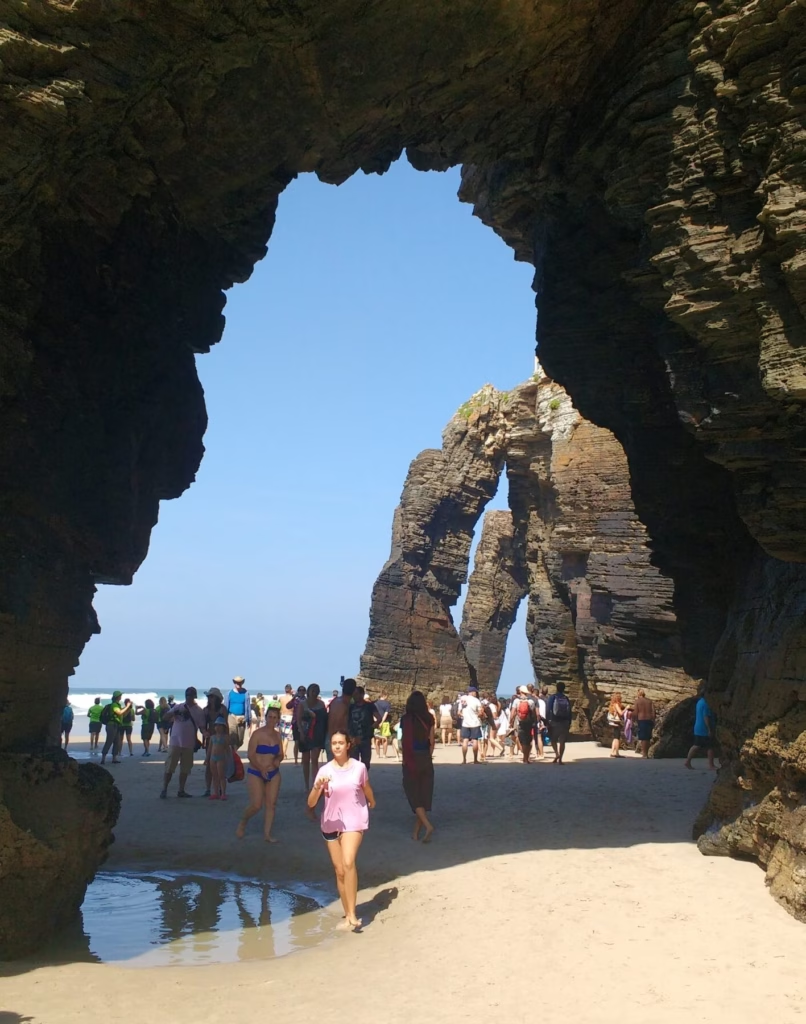
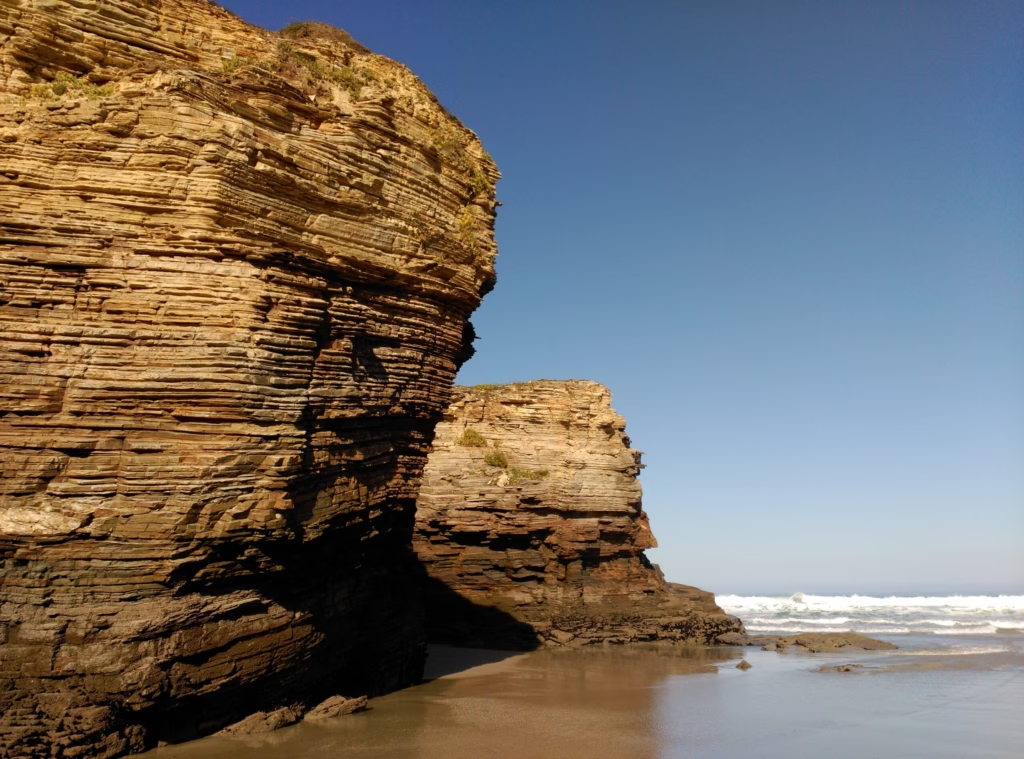
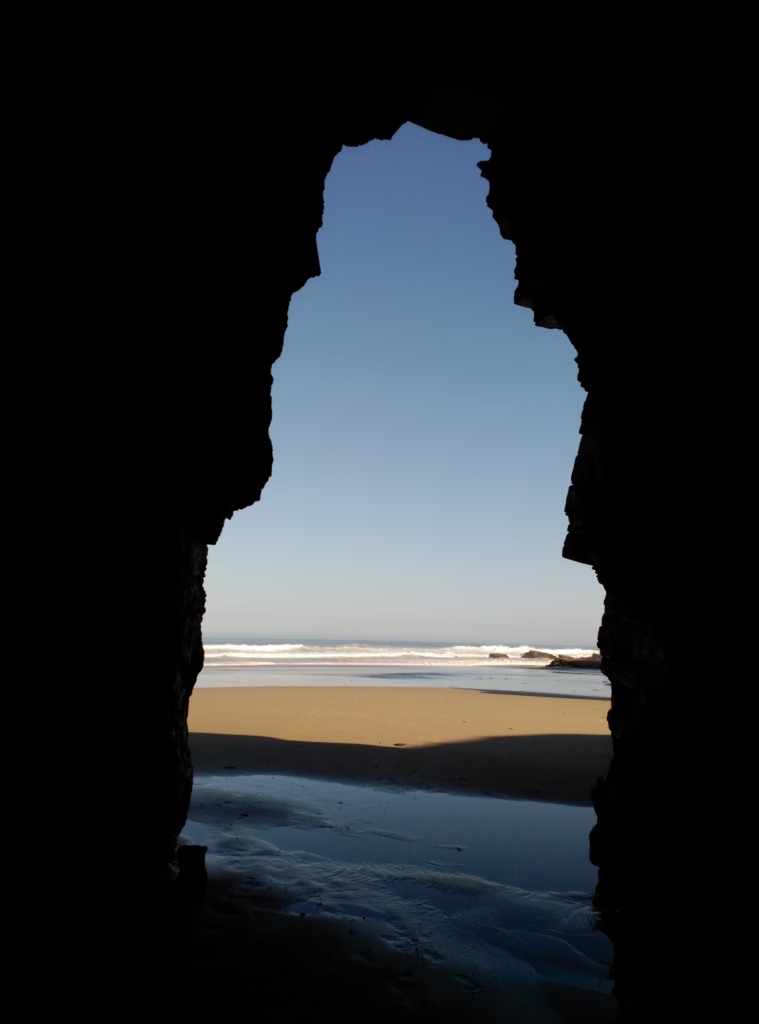
Its cliffs, formed by slates and schists over 500 million years old, have been, and continue to be, shaped by the relentless surf. Fractures in the rock and the dense stratification of these layers favor the continuous collapse of the cliffs, forming arches, “eyes,” and columns that resemble the structures of a Gothic cathedral. During low tide, this magical sandy area emerges, showing a fascinating combination of natural art and geology.
The importance of a protected environment
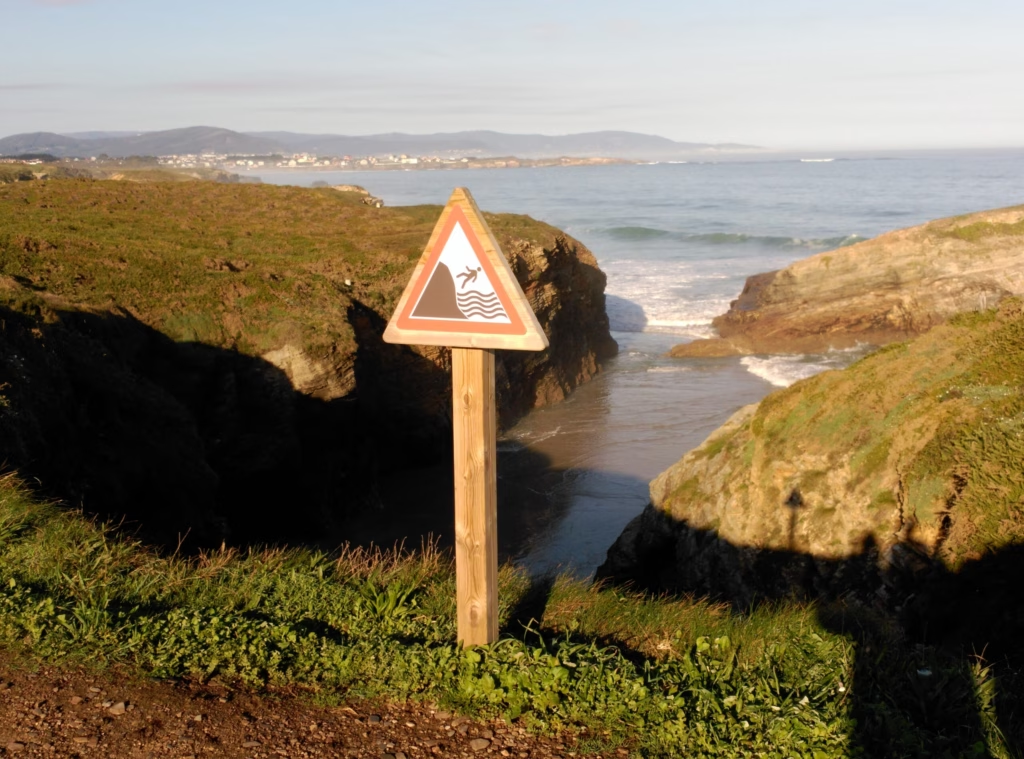
Declared a Natural Monument, the beach is part of the As Catedrais Special Area of Conservation (SAC) and the River Eo, Oscos and Terras de Burón Biosphere Reserve. Its natural value, along with awards such as the Blue Flag and the “Q” for Tourism Quality, underlines the need to protect this enclave from mass tourism. With a length of barely one kilometer and accessible only at low tide, visitor regulation helps maintain this unique environment. Even so, it continues to face the impact of tourism and the inherent risks of cliff landslides. In the 3 hours that the low tide allows for visits, nearly 5,000 people crowd together to take the prized selfie.
A dynamic and changing landscape
The cliffs are not only a visual spectacle but also a reminder of geological processes in action. The constant pounding of the waves, along with the movement of sand in winter and summer, continuously transforms the physiognomy of this space. During the winter months, the lack of sand exposes the rock even further, accentuating the feeling of being before a living work of nature.
As Catedrais Beach is much more than a tourist destination: it is a window into our planet’s geological past, a natural laboratory where coastal processes, tectonics, and climate work together. Visiting this space is not only an opportunity to admire its beauty but also to reflect on our relationship with the environment and the importance of its conservation.
Do you want to discover this landscape with a geologist?
GEOLAG organizes educational routes adapted for families, groups, and educational centers.
Request information about this route