

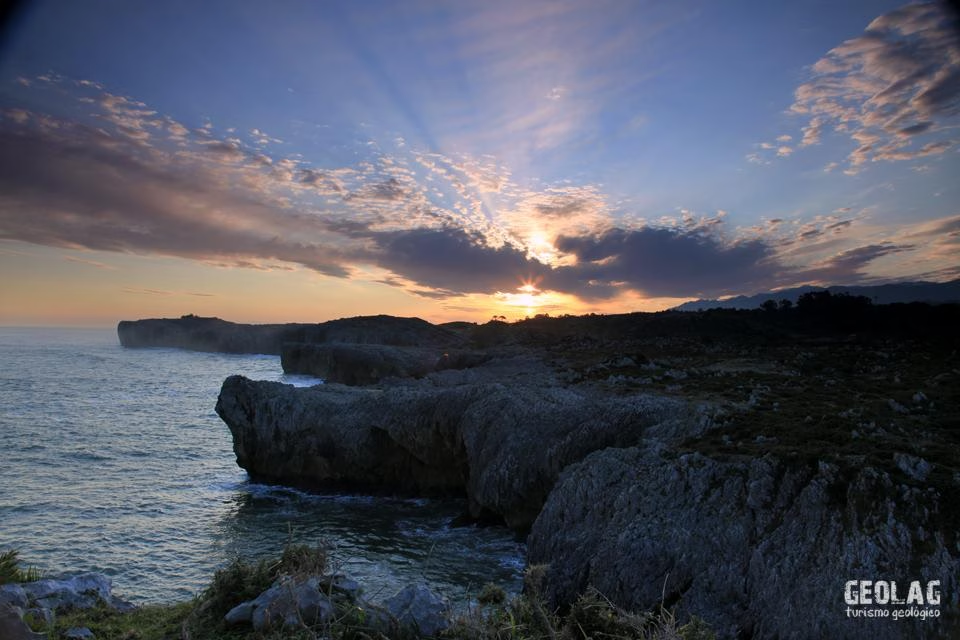
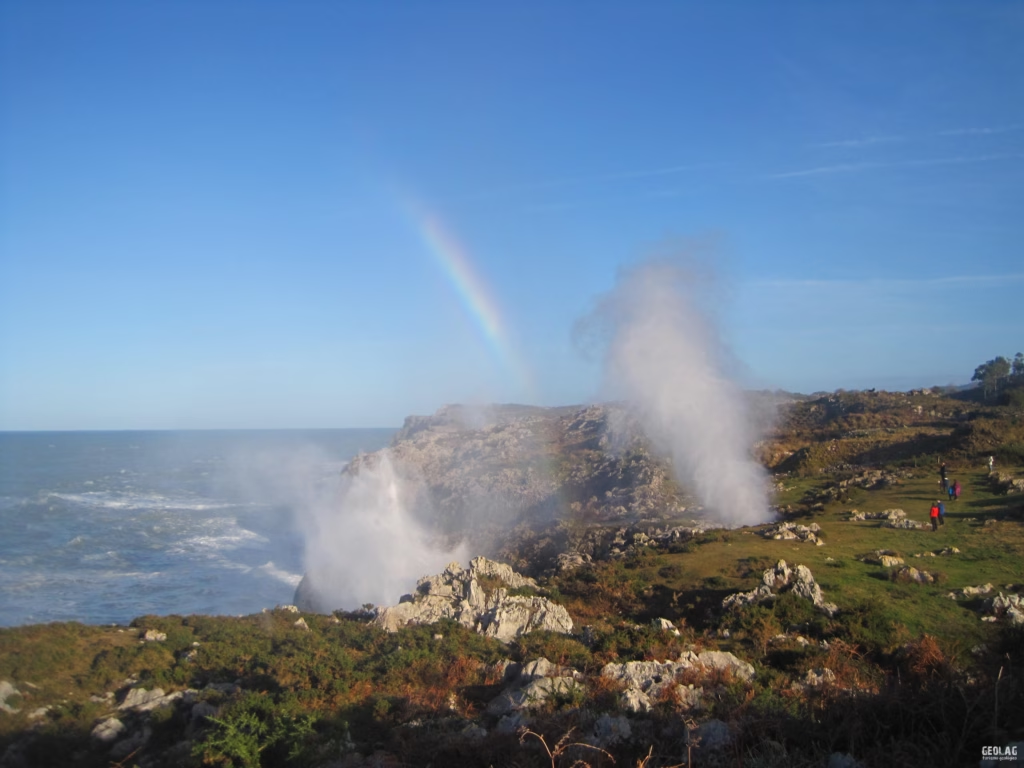
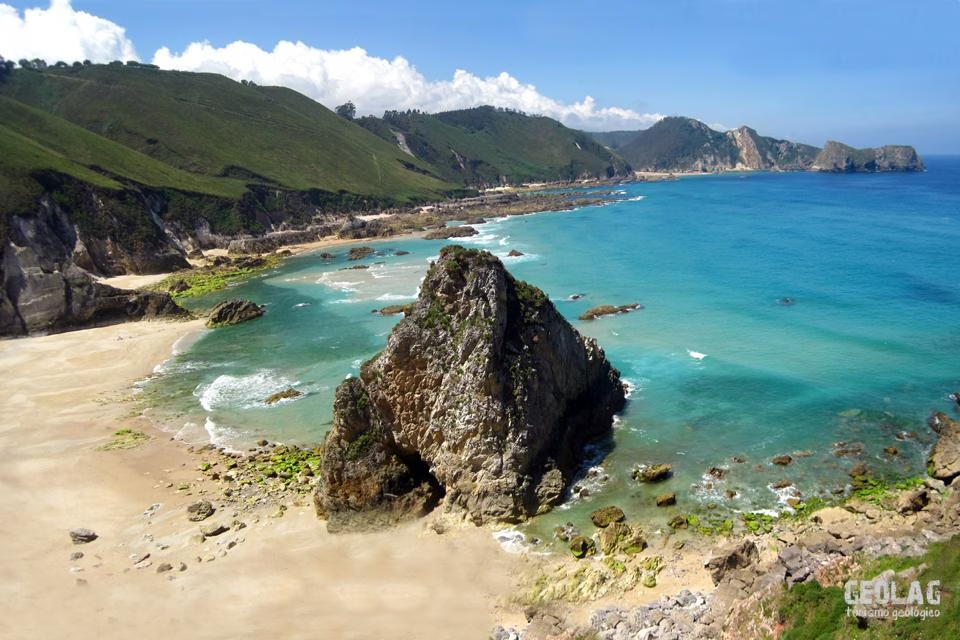
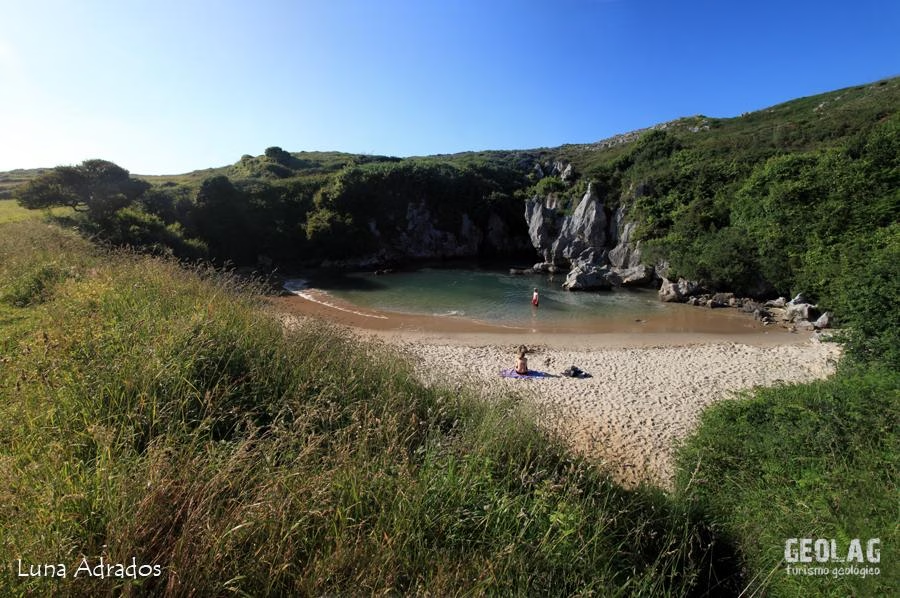
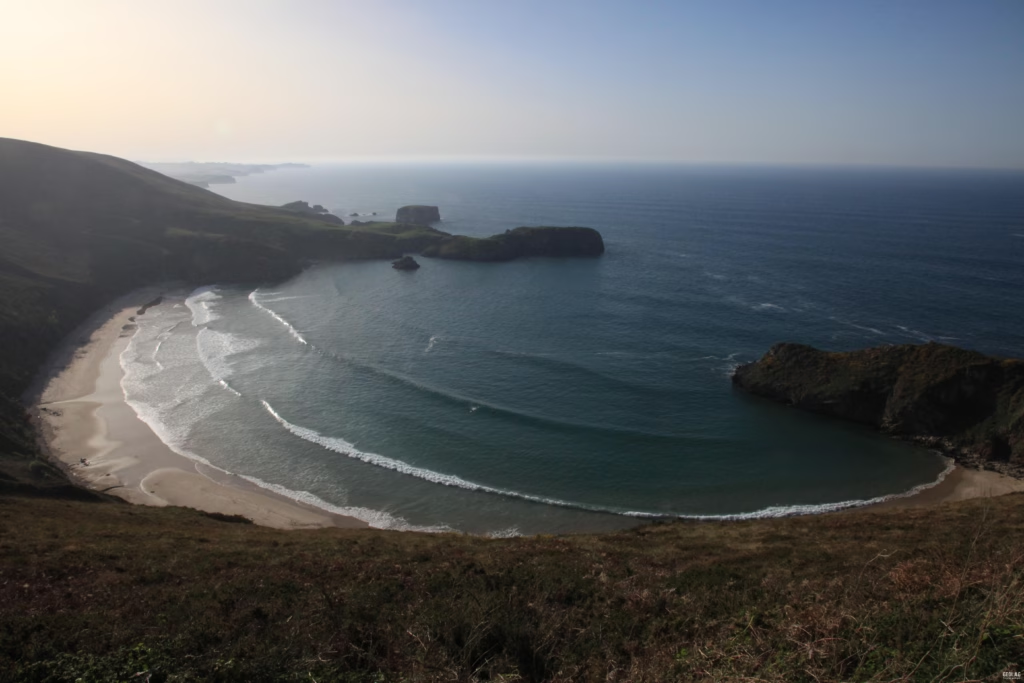
The uniqueness of this stretch of coastline lies in the limestone nature of the rocks that make it up and in the complex geological history this part of the Earth’s crust has undergone. On the one hand, karst dissolution processes have shaped a landscape on the surface made up of dolines (depressions) and cuetos (limestone rises). The karst within the rock massif is expressed by numerous underground conduits that form a complex network of galleries and vertical shafts. The rises and falls in sea level linked to glaciations and to the tectonic processes associated with the formation and erosion of the Cantabrian Mountains have generated large flattened surfaces (coastal platforms) that make up the so-called “flat-topped ridges” that dominate the higher areas of this region. These sea-level changes, in turn, have contributed to the connection of some shafts with sea level, forming cenotes, tidal dolines and blowholes—karst-marine landforms that, during sea storms, can expel columns of seawater to more than 50 m in height.
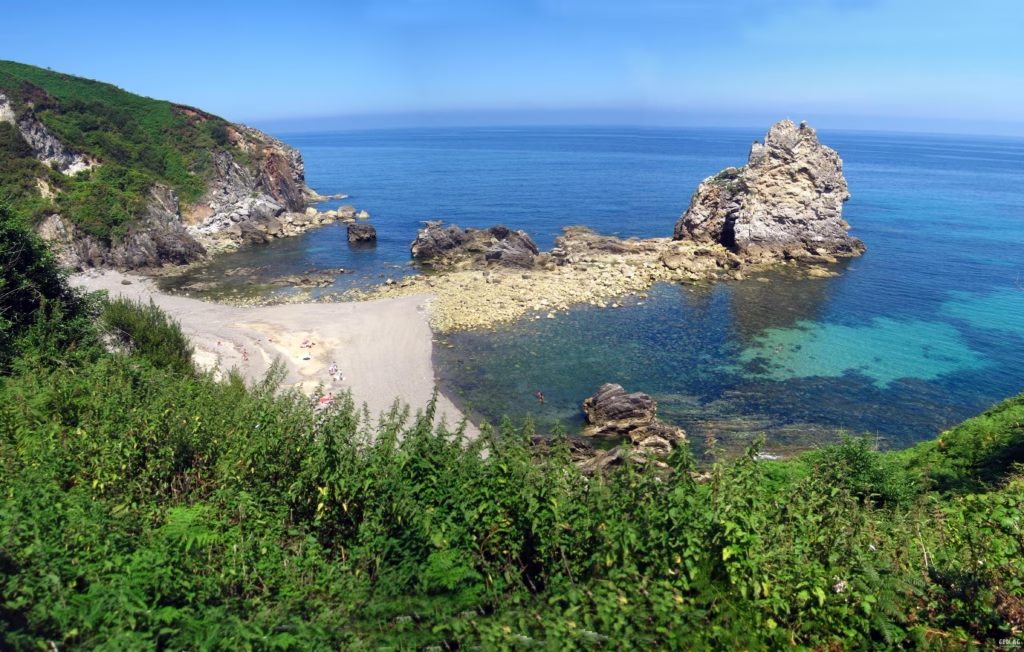
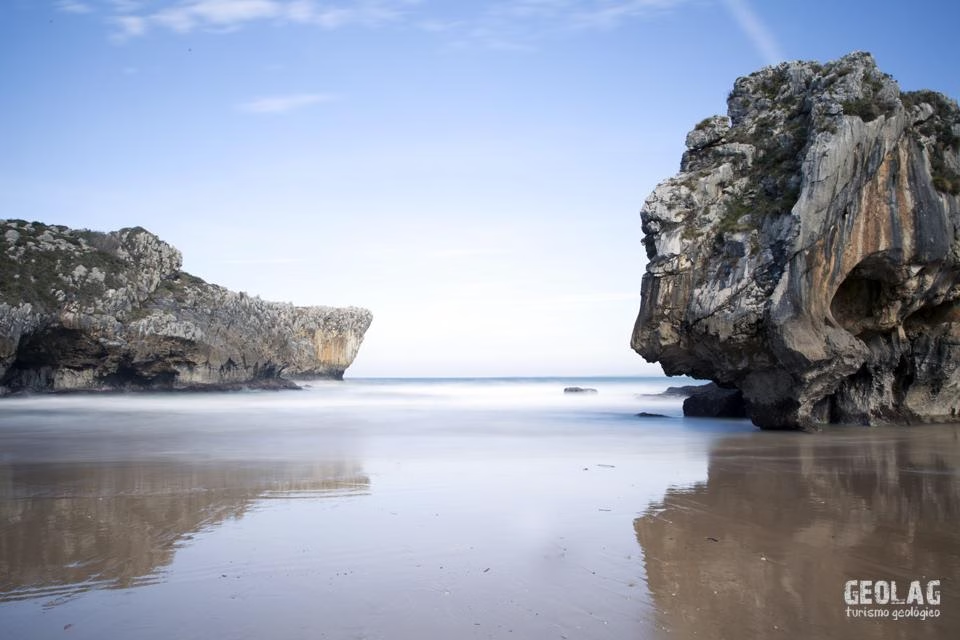
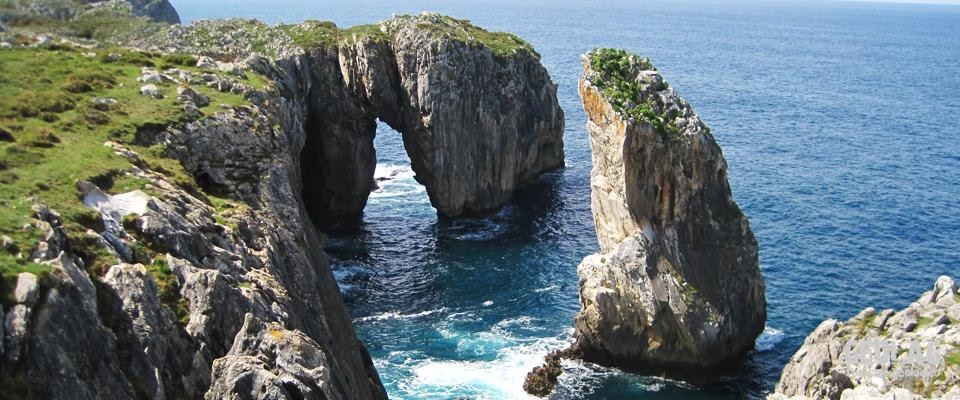
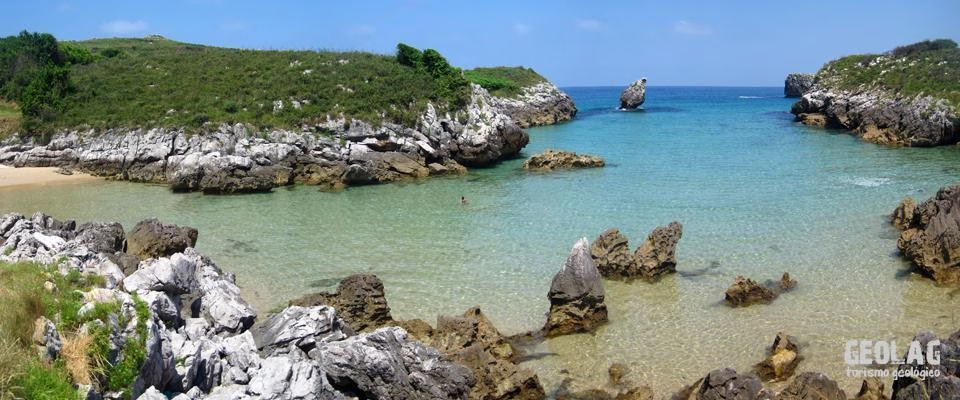
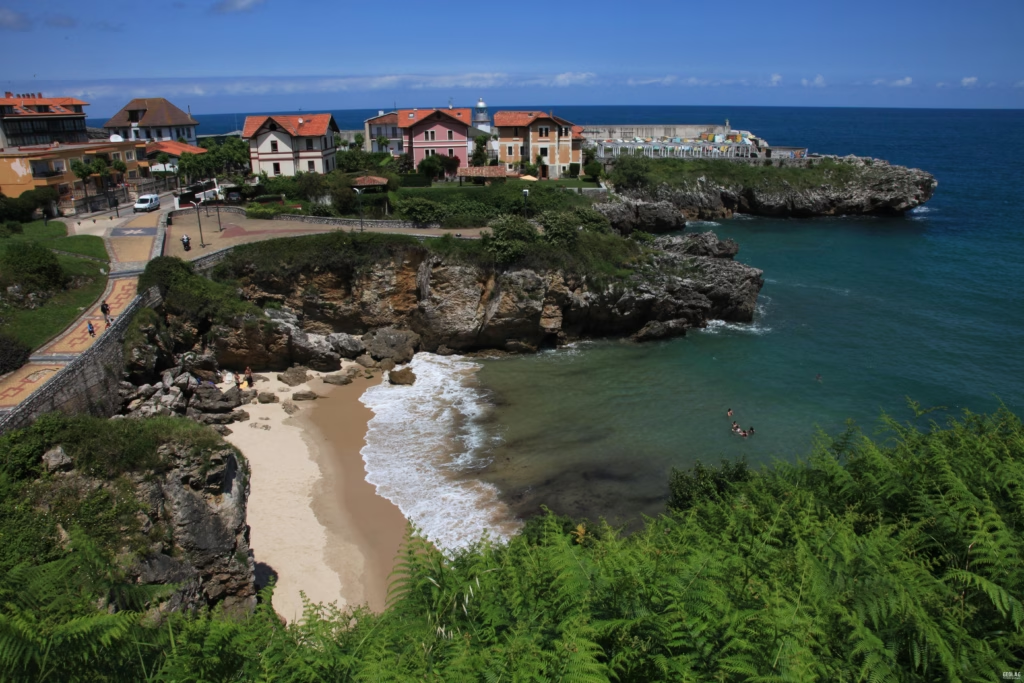
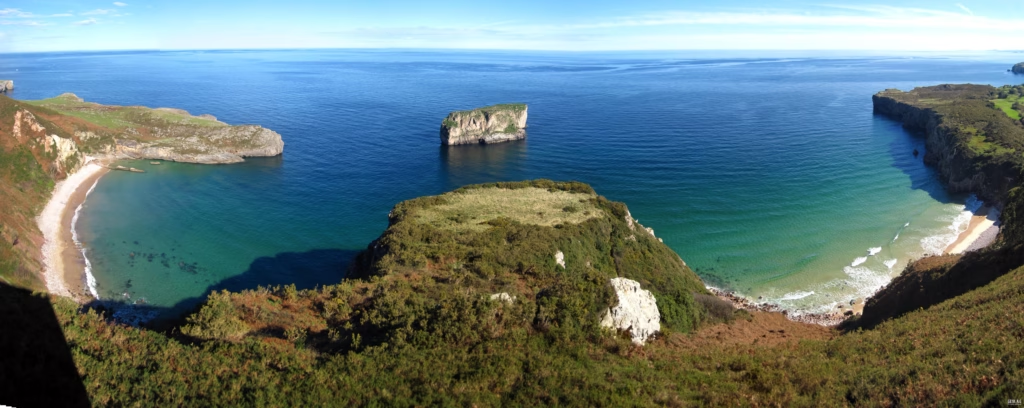
The presence of caves, the mild climate of the coastal areas and the presence of the sea as a food source have been factors that favoured the occupation of this part of the coastline by prehistoric people. Remains of tools and implements, cave paintings and shell middens (accumulations of shell remains at the entrance to some caves) are some of the elements we can find on the eastern Asturian coast. In more recent times, human use of the environment is evident in the abundance of remains of lime kilns (limestone calcination kilns where lime is produced), tileworks that take advantage of areas where clays are concentrated, utensils for collecting seaweed, and even mills and shellfish nurseries found inside some karst-marine landforms such as certain tidal dolines.
We offer you different routes through the municipalities of Ribadesella, Llanes and Ribadedeva, where coastal karst is the main attraction.
Would you like to discover this landscape with a geologist?
GEOLAG organises educational routes adapted for families, groups and educational centres.
Request information about this route