

You don’t have to go very far to see fossils. In our cities, many of the rocks used for paving contain spectacular fossils. Furthermore, polishing the rocks to turn them into slabs allows you to see all the features of each fossil very clearly.
Rubén Santos has created a series of itineraries through major cities on his Paleourbana website. Here I present the one for the city of Oviedo, published as a two-page brochure. On one side, it identifies the types of rocks that make up our city’s soil, along with their ages and main characteristics, as well as their fossil content. On the other side, it contains a general description of each of the fossils.
A fun way to take a family stroll through the city! Print out your brochure, fold it, and head out onto the streets!


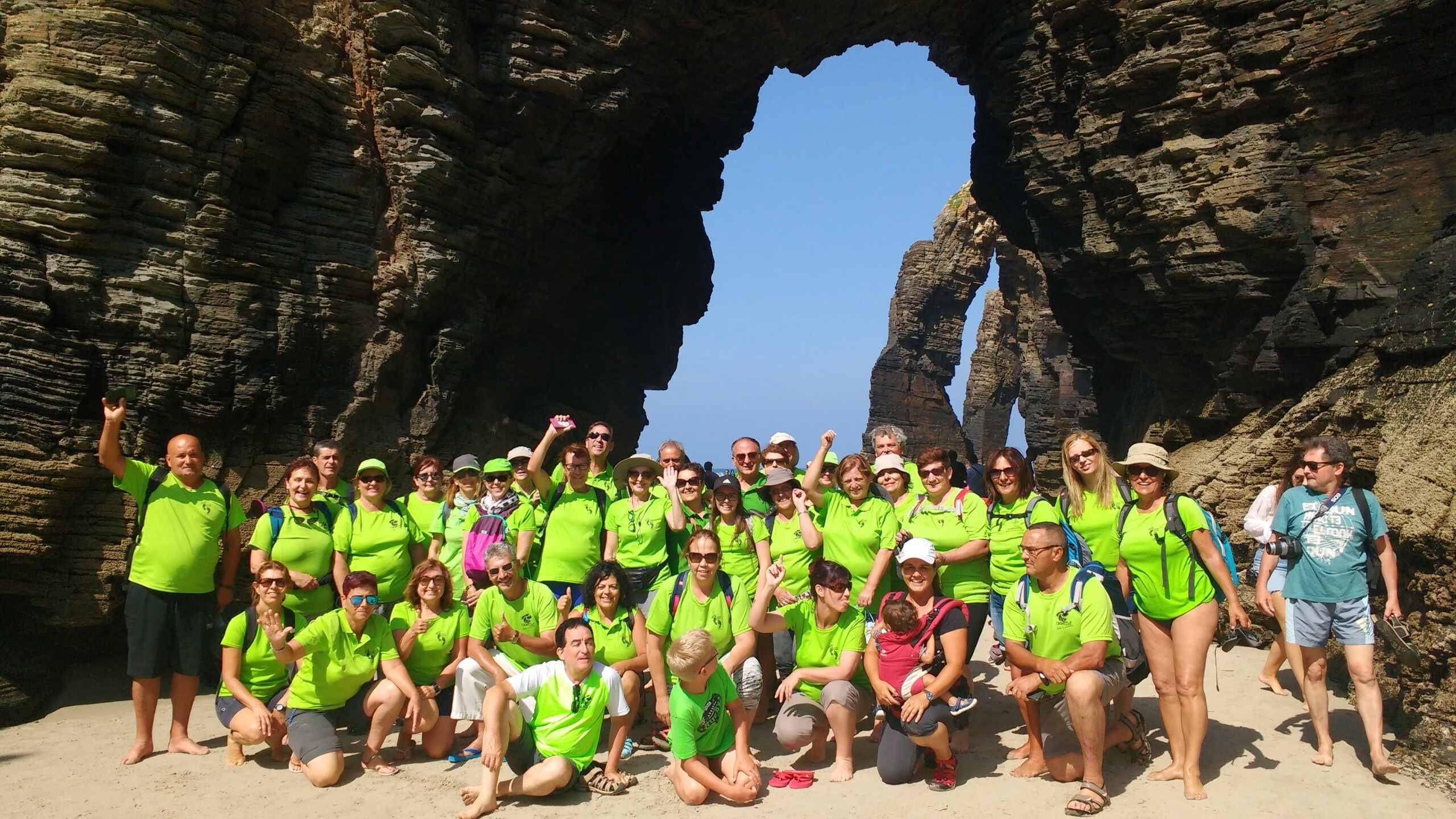
Would you like to discover this landscape with a geologist?
GEOLAG organises educational routes adapted to families, groups and schools.
Request information about this route