

Geotourism is a new tourism discipline that is spreading rapidly in Spain, with many regions already having geotourism initiatives, such as the one presented in Asturias by GEOLAG. This progress has been especially significant over the last decade, following the creation of geoparks, considered territories with exceptional geological heritage due to their scientific, educational and aesthetic value.
Interestingly, it is striking that the countries most developed in this quality tourism are some that have been considered “underdeveloped”, such as Brazil or Honduras… we should take careful note of the advantages of implementing this type of tourism in Spain.
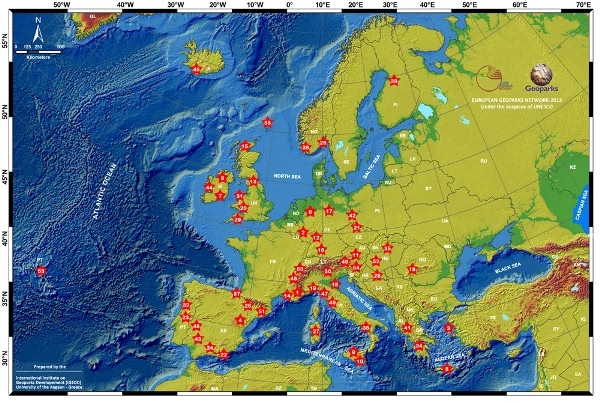
For the time being, Spain is at the forefront of European countries that have jumped on the Geoparks bandwagon, with 10 geoparks already spread across the country. However, greater public awareness and stronger support from the authorities are needed to enhance the value of our country’s geological attractions.
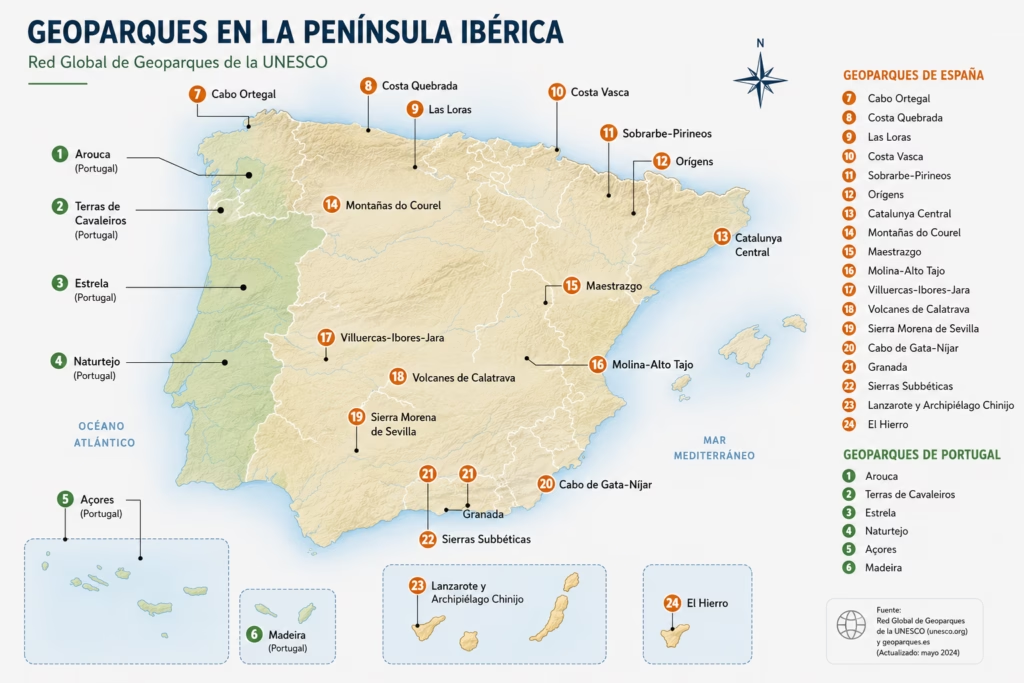
Geotourism attractions of Asturias
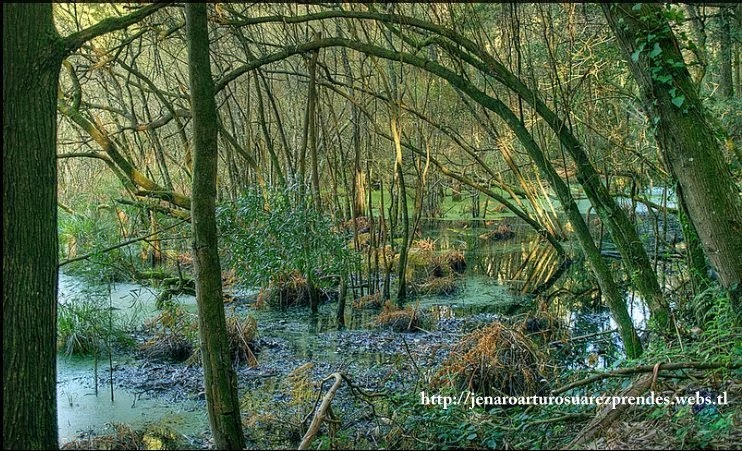
Despite its great geological value, Asturias does not have any territory considered a geopark or geological park, although the Natural Resources Management Plan (PORNA) has taken into account places and landscapes where geology prevails over other natural aspects such as flora and fauna. Among the most notable examples are the blowholes and tidal dolines on the eastern coast, the estuaries of Barayo, Villaviciosa and Eo, the waterfalls of Oneta and Moncayo, the lakes of Somiedo, the caves and shafts of Andina, Cueva Huerta, Toneyu, Jitu, Trave, Urriellu, or the gorges of Xanas, El Pino, Esva or Entrepeñes.
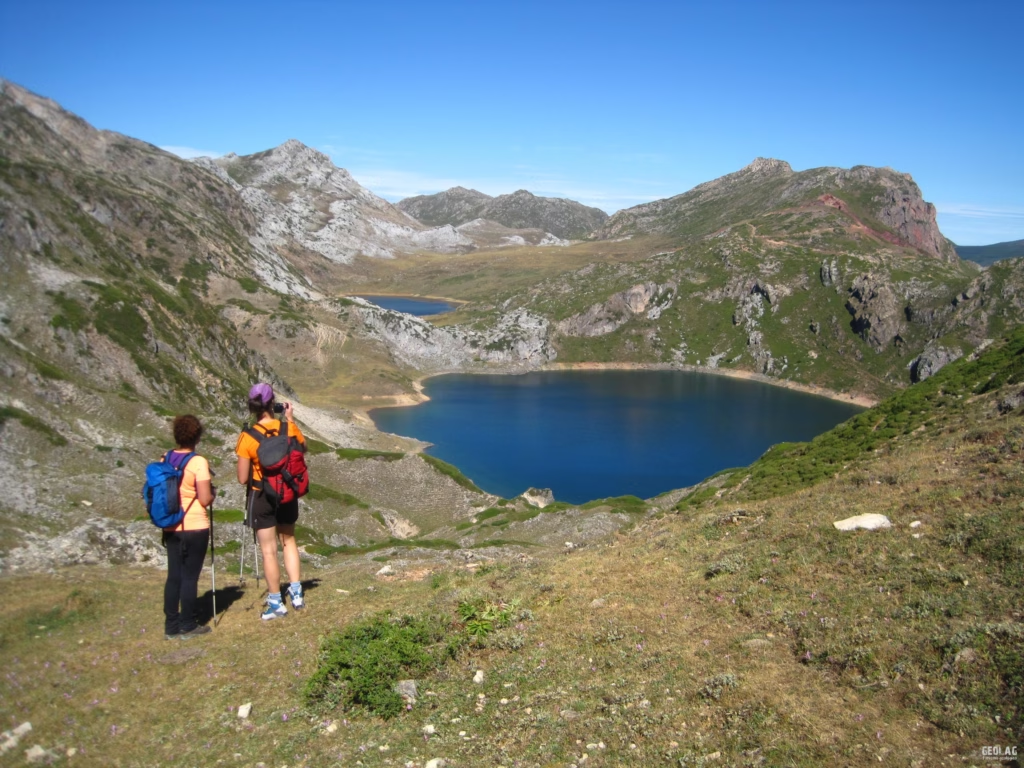
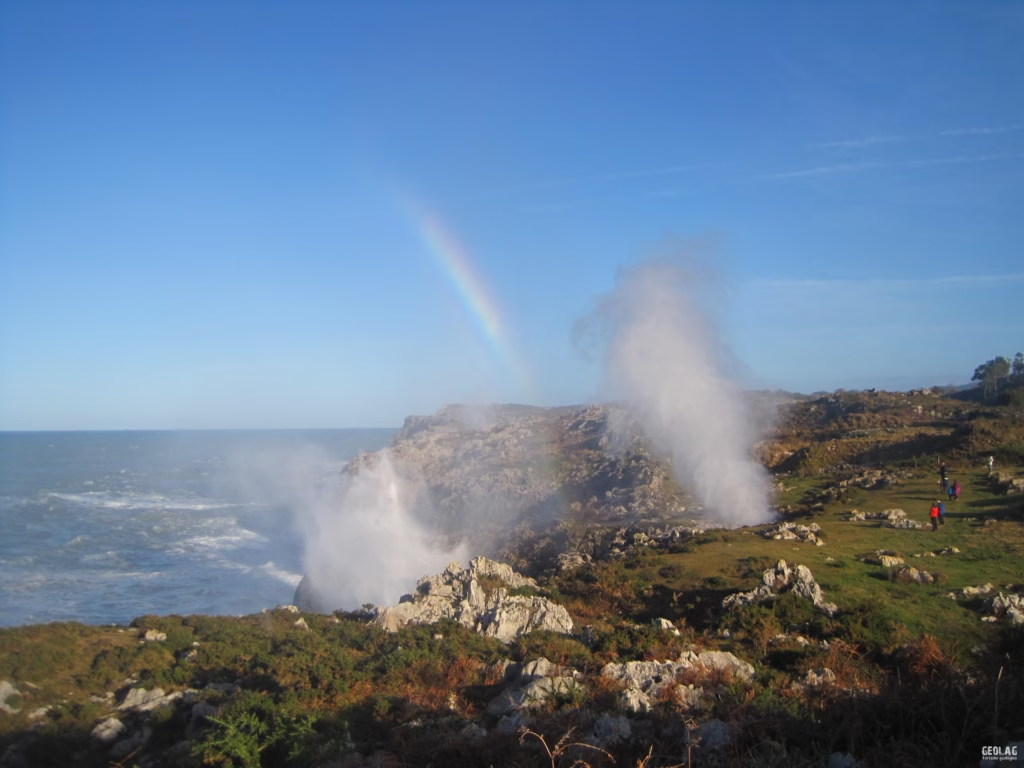
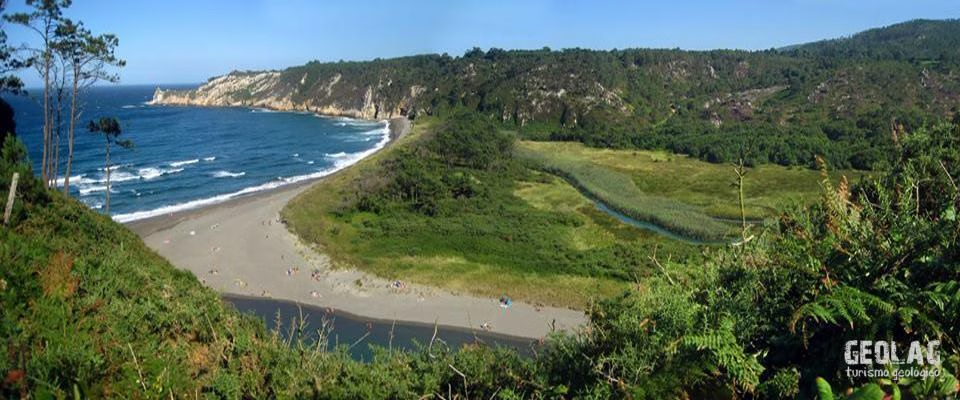
Within this geological setting, the aim of GEOLAG is to provide the basis for the development of geotourism in Asturias. Through guided geological routes, publications, talks, courses and educational workshops, it seeks to carry out outreach work in Geology at all levels. At GEOLAG we firmly believe that geological information constitutes an interesting tourism product, and that geological tourism is a discipline we should invest in. We believe tourism should provide visitors with a pleasant and enriching experience. To do so, visitors need to receive information about the place, and that information must be high quality and presented in an engaging way. This is what the tourism industry calls interpretation. At GEOLAG we are committed to delivering the landscape interpretation our land deserves and that should be a source of pride.
Asturias: Natural Paradise?
The evolution of tourism towards geological tourism
Tourism as an economic sector has undergone fundamental changes in structure and planning in recent years. Until the late 1980s, traditional tourism was associated with “all-inclusive” packages focused mainly on coastal environments.
The new tourist is more demanding and, above leisure, seeks to deepen their knowledge of the region they visit. They demand new tourism products, and so gastronomic tourism, adventure tourism or cultural tourism are making headway amid so much “wristband” tourism. Today’s tourism demand makes it possible to open up new fields for regions that display an interesting set of natural and cultural characteristics that can be offered as tourism products, in addition to the traditional ones.
Among all the variants of tourism, nature tourism has seen a significant increase; in other words, the desire for information about the natural environment can influence the choice of tourist destinations. In this sense, Geotourism represents a synergy between ecotourism and cultural tourism, using geoscientific knowledge as a basis to help conserve a region’s natural heritage.
In natural tourist areas, geological information must be presented in an educational way that helps spread its cultural importance while also giving visitors greater environmental awareness. In this regard, GEOLAG is committed to producing geological information that, without losing scientific rigour, presents geological issues clearly, without overusing technical jargon and giving priority to the visual component.
GEOLAG works on all the elements that make up geodiversity, the result of the Earth’s slow evolution since its creation and the basis for life on Earth. Geodiversity encompasses the full variety of geological environments, phenomena and processes responsible for landscapes, rocks, minerals, fossils and the soils on which our planet’s biodiversity is founded.
Would you like to discover this landscape with a geologist?
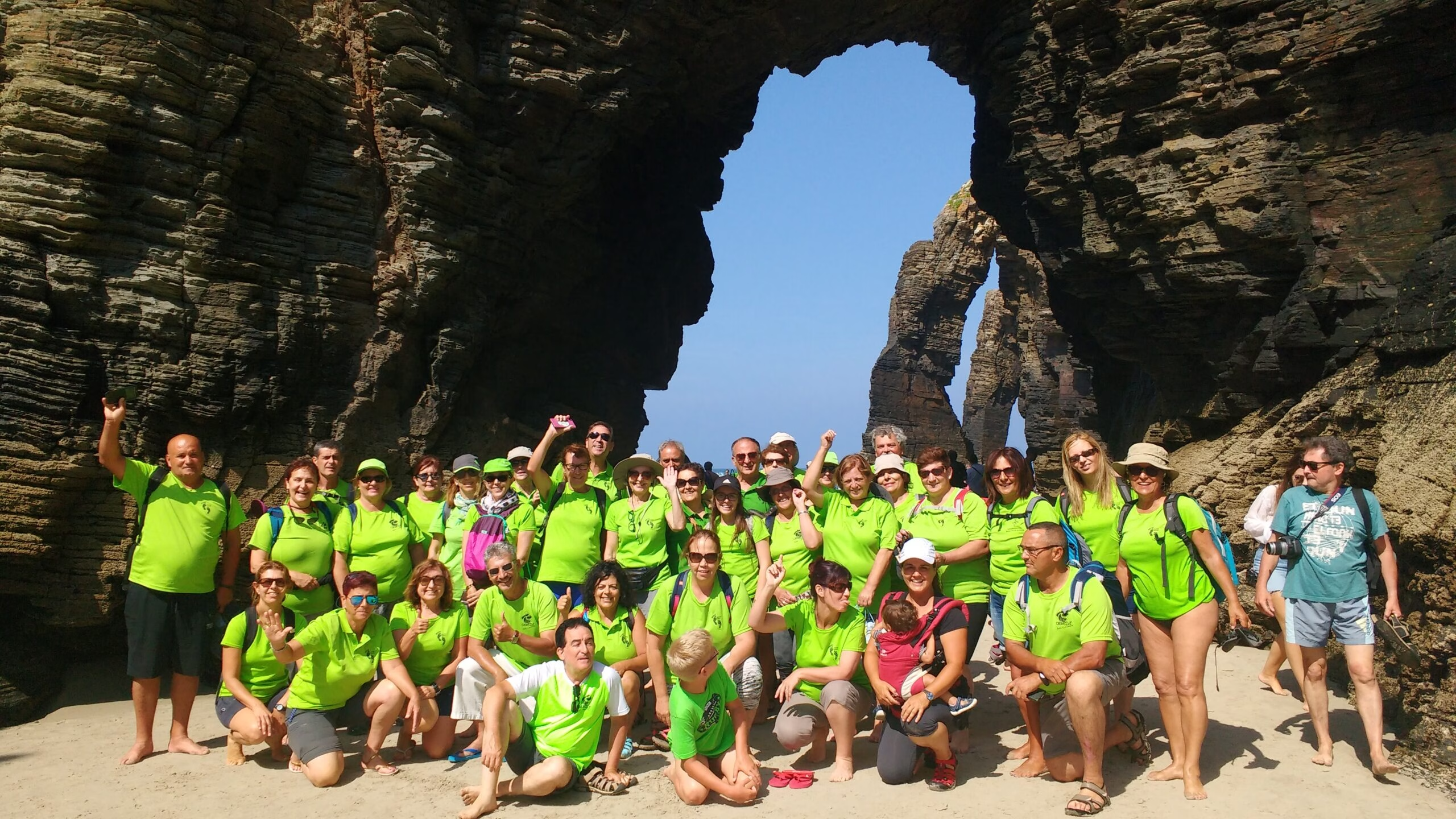
GEOLAG organises outreach routes tailored to families, groups and educational centres.
Request information about this route